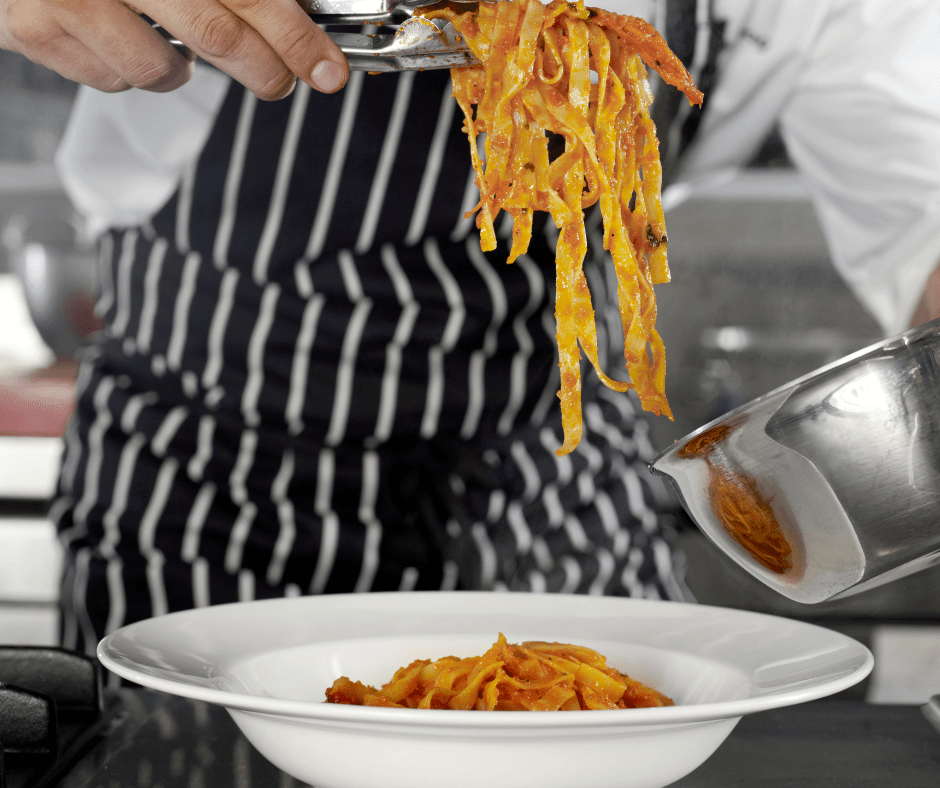
Italian Cuisine: UNESCO Intangible Heritage
Italian Cuisine Recognized by UNESCO – December 10, 2025: A Global Celebration of Culinary Heritage
Italian cuisine, a worldwide symbol of conviviality, passion, and diversity, has reached a historic milestone: on December 10, 2025, it was inscribed on UNESCO’s Representative List of the Intangible Cultural Heritage of Humanity. This prestigious recognition is not a monetary award but an official acknowledgment of Italy’s rich culinary and cultural traditions.
What is UNESCO’s Intangible Cultural Heritage List?
The Representative List of the Intangible Cultural Heritage of Humanity, managed by UNESCO, aims to safeguard living cultural practices and expressions that are essential to communities. Unlike World Heritage Sites, which focus on buildings or monuments, this list recognizes living traditions—including music, dance, crafts, and now, Italian cuisine.
Being inscribed means that Italian gastronomy is recognized as a living cultural asset, passed down through generations, and playing a vital social role.
Why Italian Cuisine?
Italian cuisine is much more than pasta, pizza, or gelato. It represents a way of life based on:
- Sharing and conviviality: Meals are moments of gathering for family and community.
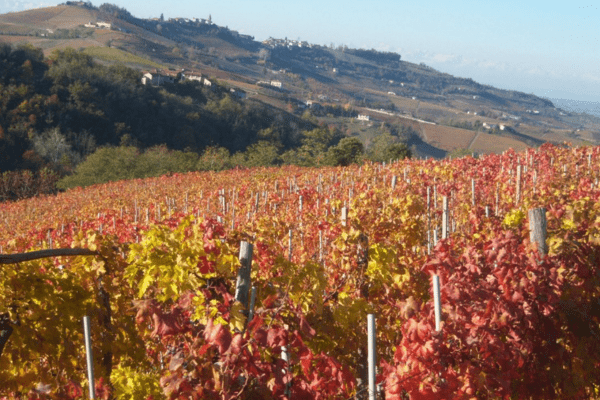
- Seasonality and respect for the land: Each region highlights its local products, from Piedmont truffles to Campania’s San Marzano tomatoes.
- Transmission of know-how: Recipes, cooking techniques, and culinary traditions are passed down through generations.
- Sustainability and biodiversity: Emphasis on local ingredients and environmentally responsible agricultural practices.
This is a world first: it’s the first time an entire national cuisine has received such recognition, beyond individual dishes previously acknowledged (like Neapolitan pizza).
The Significance of This Recognition
Although UNESCO does not provide any financial award, the recognition carries several important impacts:
- Global visibility: Highlights Italian cuisine on the international cultural stage.
- Protection and promotion of heritage: Encourages preservation and transmission of local culinary traditions.
- Indirect economic benefits: Boosts recognition of authentic products, promotes gastronomic tourism, and supports Italian products globally.
SEE VIDEO (LINK)
Celebrate at Home: Italian Wines and Bubbles
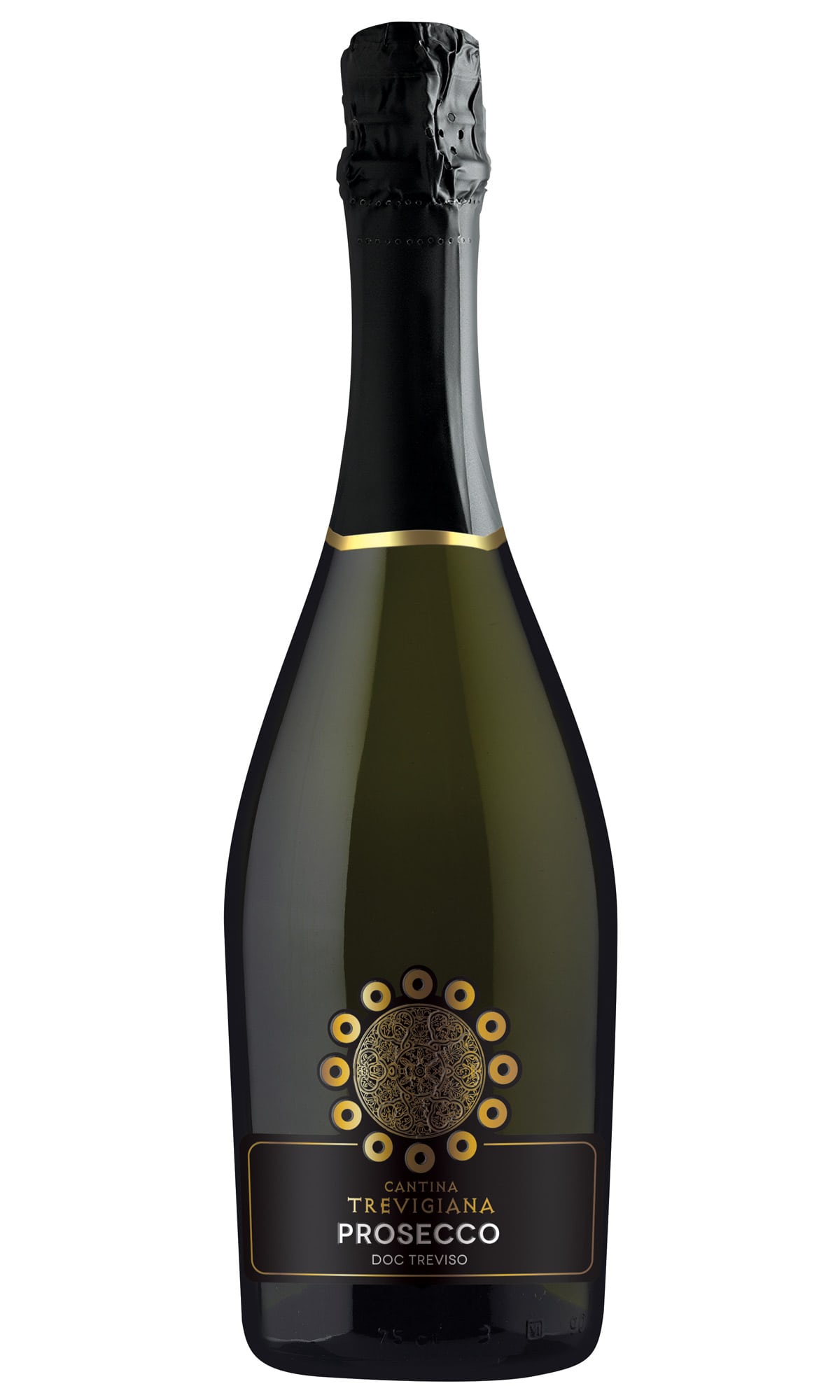
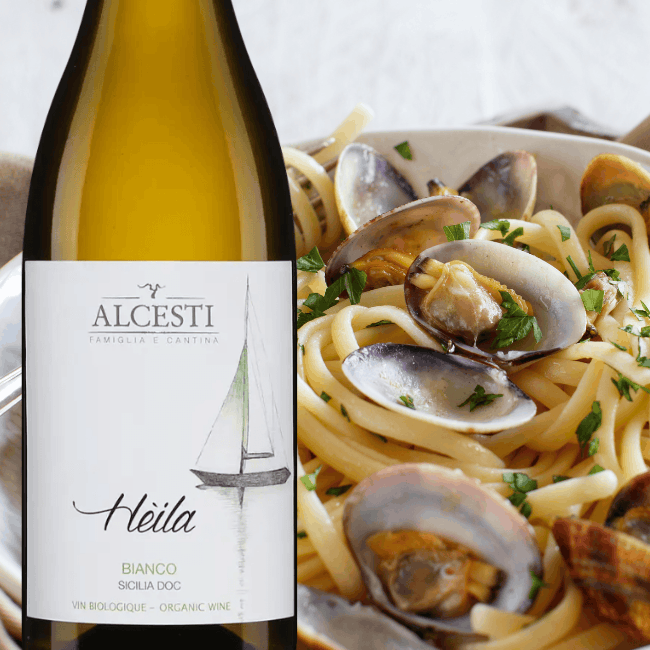
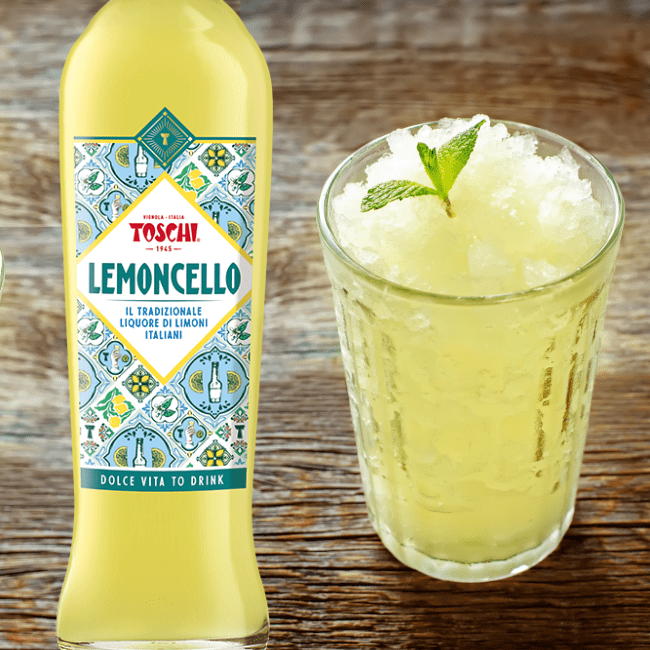
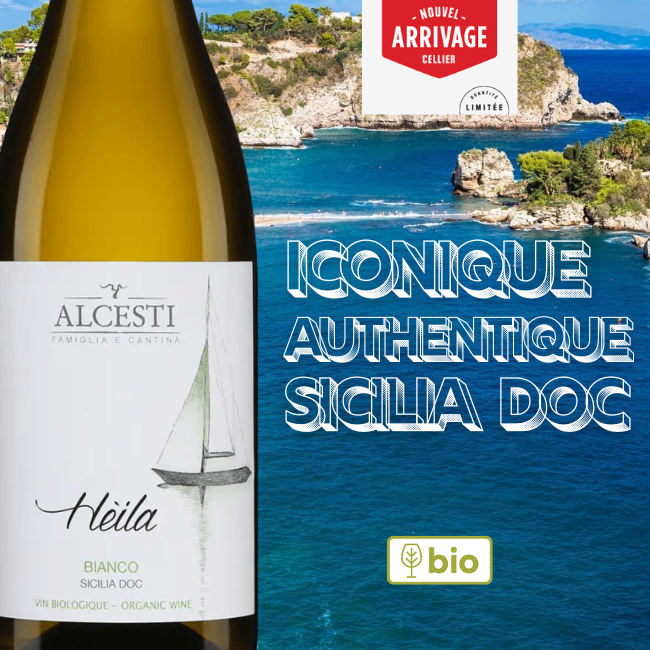
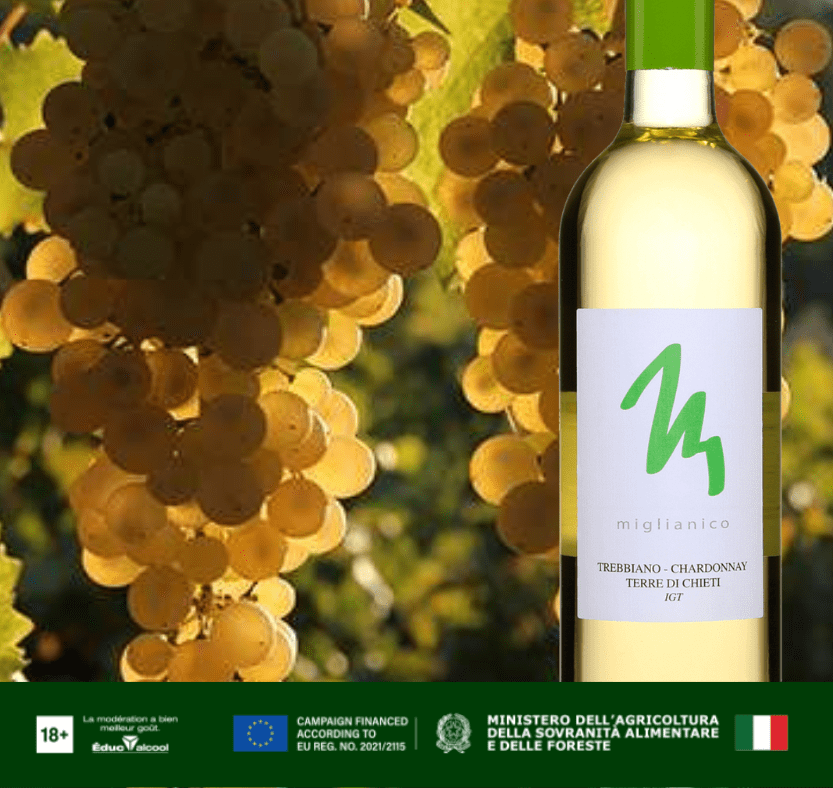
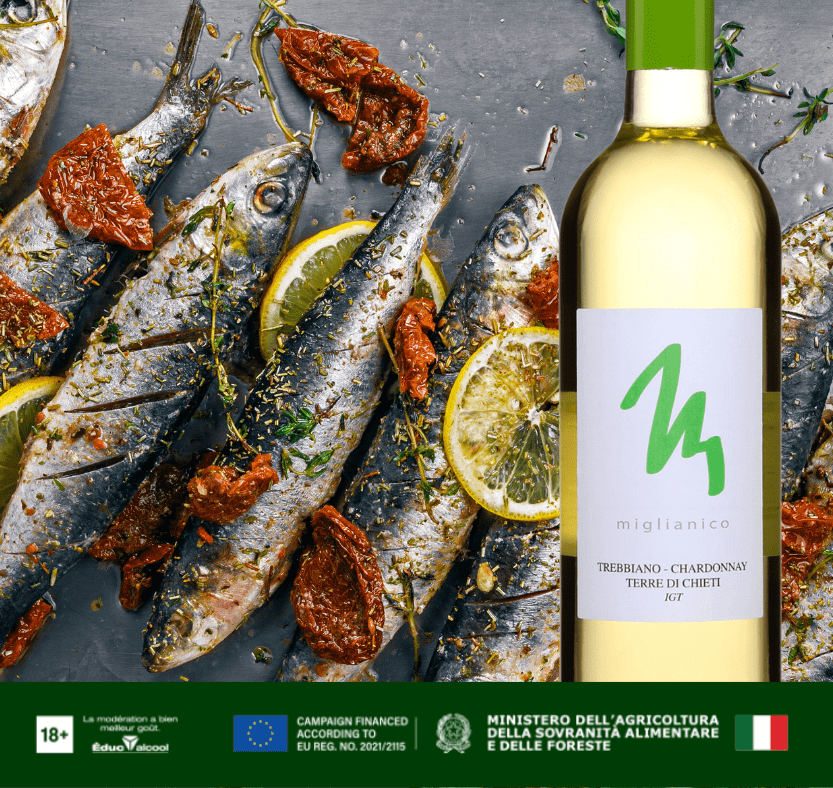
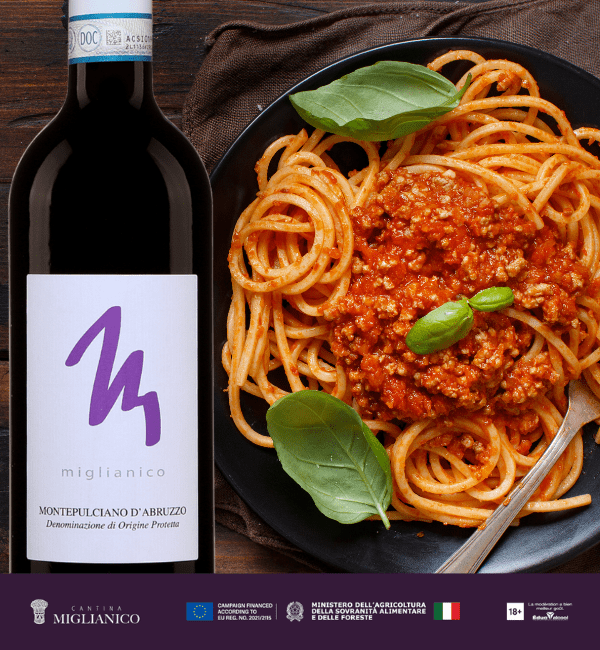
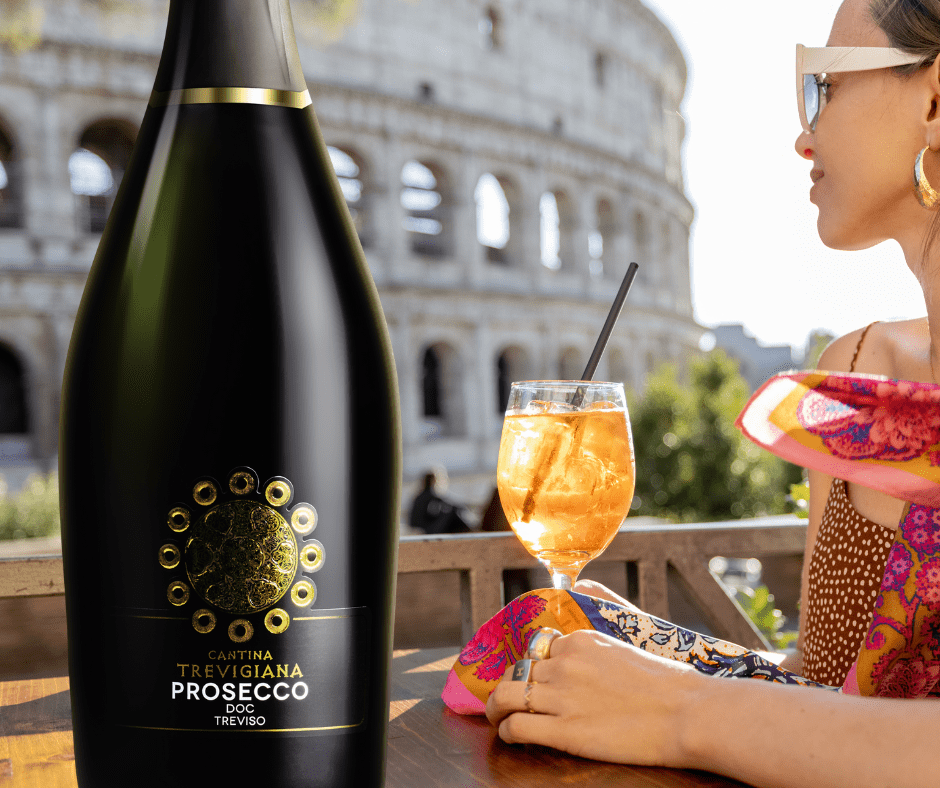
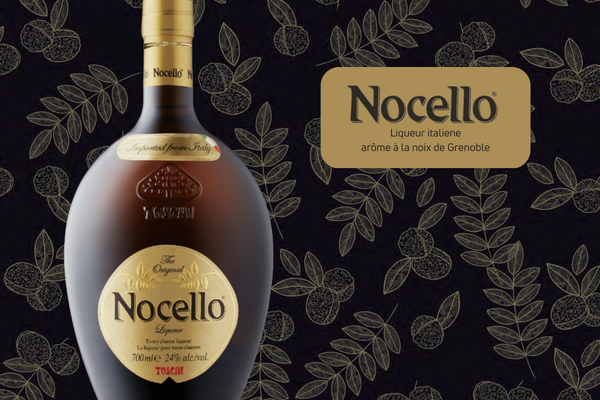
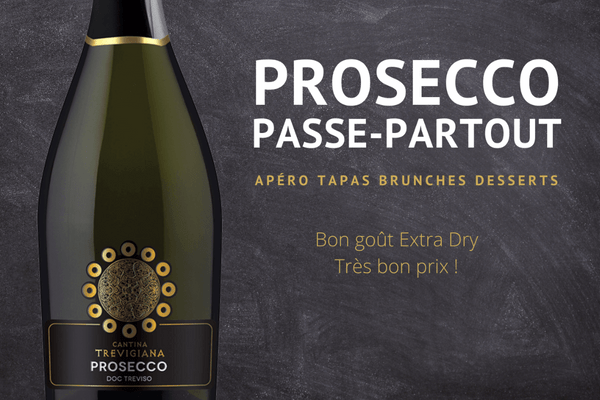
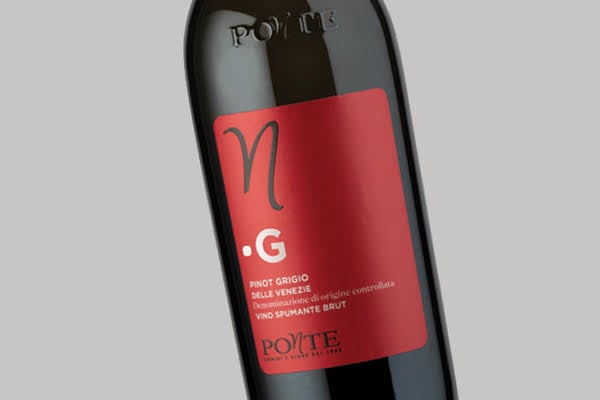
To complement this milestone, what better than to enjoy a fine Italian wine or a few glasses of Prosecco? Whether it’s a cozy family meal or a special celebration, every bottle tells a story and reflects Italy’s rich culinary landscape.
Conclusion
The inscription of Italian cuisine on UNESCO’s Intangible Cultural Heritage List is a prestigious cultural distinction. It celebrates diversity, sharing, and the Italian way of life, while offering the world an inspiring example of living and sustainable traditions.
Official References and Documentation
For those who want to explore the sources:
UNESCO – Italian Cuisine: Italian cuisine, between sustainability and biocultural diversity
News article: Euronews – Food for thought: Italian culinary traditions make UNESCO's intangible cultural heritage list
The Guardian: Italy’s cuisine recognized by UNESCO